
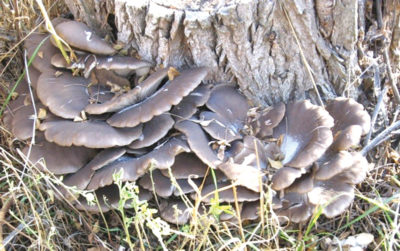
Where does Giant Oyster Mushroom grow?
Pleurotus giganteus
Got a photo? Identify mushrooms instantly with the Mushby app
Open the appGiant Oyster Mushroom grows in specific habitats. Knowing where to look and when is the difference between an empty basket and a successful forage.
Where to find Giant Oyster Mushroom
Tropical and Subtropical Forests
Primarily found in regions with warm, humid climates, such as Southeast Asia (e.g., India, Thailand, Malaysia), parts of Africa, and Australia. It prefers areas with abundant decaying woody debris or rich organic soil.
Cultivation Facilities
Due to its culinary value, P. giganteus is increasingly cultivated on various substrates, including agricultural waste products like straw, sawdust, and cotton waste, in controlled environments globally.
Foraging tips
- Look for Large Clusters. P. giganteus often grows in impressive, multi-capped clusters, making them relatively easy to spot. Look for large, pale masses emerging from the ground or buried wood.
- Check for Decaying Wood. While it appears to grow terrestrially, it is typically associated with buried decaying wood. Inspect areas with rich organic soil near fallen logs or stumps.
- Observe Gill Attachment. The deeply decurrent gills are a key identifying feature. They run far down the stem, distinguishing it from some other large terrestrial fungi.
- Consider the Season. In its native tropical and subtropical ranges, it can fruit year-round, especially during rainy seasons. In cultivated settings, it can be found consistently.
Quick Check
- Substrate:
- Terrestrial, on buried wood, or directly on rich soil
- Fruiting:
- Often in large clusters, sometimes solitary
- Odor:
- Mild, pleasant, mushroomy
Explore Giant Oyster Mushroom
Identify mushrooms anywhere
Free on iOS, Android, and Web. Photo identification, full database, and your personal collection.