
Where does Stinkhorn grow?
Phallaceae
Got a photo? Identify mushrooms instantly with the Mushby app
Open the appStinkhorn grows in specific habitats. Knowing where to look and when is the difference between an empty basket and a successful forage.
Where to find Stinkhorn
Gardens and Lawns
Commonly found in mulched garden beds, lawns, and areas with wood chips due to their saprobic nature.
Woodlands and Forests
Can be found in deciduous and coniferous forests, growing on decaying organic matter.
Disturbed Areas
Often colonize disturbed ground, roadsides, and areas with rich, organic soil.
Foraging tips
- Follow Your Nose. The strong, putrid odor of mature stinkhorns is often the first indicator of their presence. They can be smelled from a considerable distance.
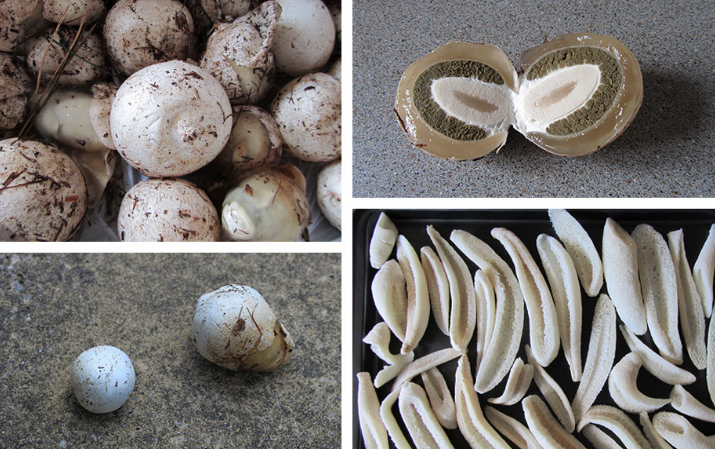
- Look for 'Eggs'. Before they erupt, stinkhorns exist as subterranean or partially buried 'eggs'. These white, rubbery spheres can be found in leaf litter or soil.
- Check Mulched Areas. Wood chip mulch is a prime habitat for many stinkhorn species, as they thrive on decaying wood.
- Seasonal Timing. Most stinkhorns fruit from late spring through autumn, especially after periods of rain.
Quick Check
- Substrate:
- Decaying wood, wood chips, leaf litter, rich soil.
- Fruiting:
- Emerges from a white 'egg' stage, often phallic or cage-like when mature, covered in a dark, slimy gleba.
- Odor:
- Strongly putrid, carrion-like, or fecal, especially when mature.
Explore Stinkhorn
Identify mushrooms anywhere
Free on iOS, Android, and Web. Photo identification, full database, and your personal collection.