
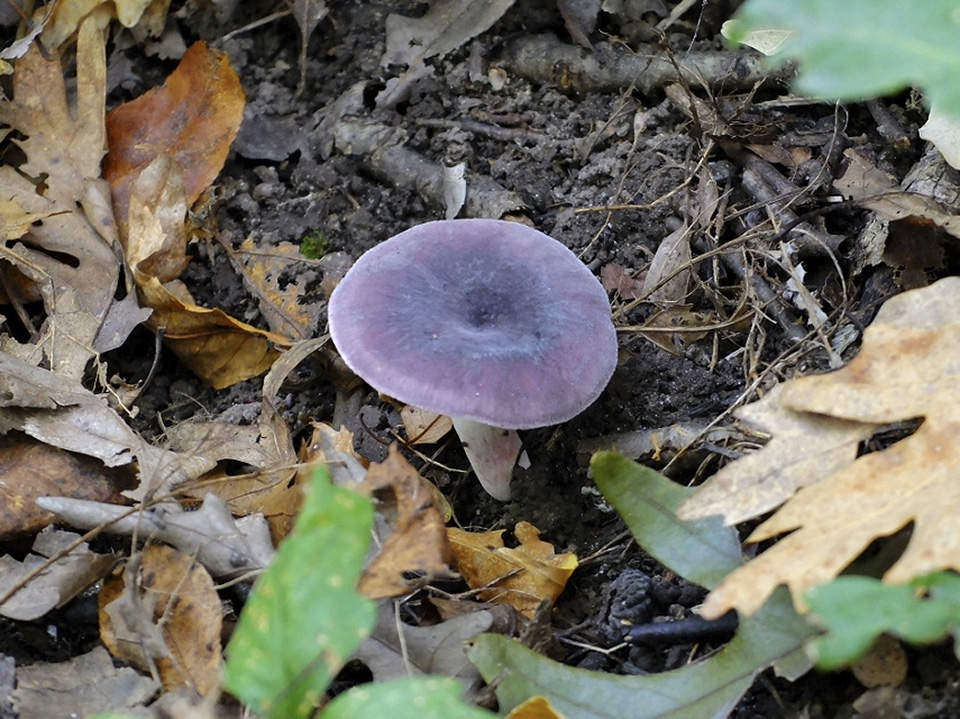
Is Lilac Brittlegill edible?
Russula lilacea
Got a photo? Identify mushrooms instantly with the Mushby app
Open the appSafe
SafeRussula lilacea is generally considered edible, but it is not highly regarded for its culinary value due to its small size and brittle texture. Some individuals may experience mild gastrointestinal upset if consumed raw or in large quantities. It is crucial to perform a taste test (chew a small piece and spit it out) to ensure it is not acrid, as some Russula species are toxic and can cause severe gastrointestinal distress. Always cook thoroughly before consumption. Due to the difficulty in distinguishing edible Russulas from mildly toxic ones, and the existence of truly poisonous look-alikes in other genera, it is strongly advised that only experienced foragers consume this mushroom.
Don't confuse with these look-alikes
Misidentification is the most common cause of mushroom poisoning. Lilac Brittlegill can be confused with:
- Geranium Scented Russula — Russula
- Beechwood Sickener — Russula
- Charcoal Burner — Russula
Explore Lilac Brittlegill
Identify mushrooms anywhere
Free on iOS, Android, and Web. Photo identification, full database, and your personal collection.