
How to identify White rot fungus
Phlebia tremellosa
Got a photo? Identify mushrooms instantly with the Mushby app
Open the appTo correctly identify White rot fungus (Phlebia tremellosa), check each of these features in order. Misidentification is the most common cause of mushroom poisoning, so cross-reference multiple sources.
Step-by-step identification
- 1
Cap
Shape, color, surface texture, and diameter.
When present as a reflexed margin, the 'cap' is typically 1-5 cm wide and projects 1-3 cm from the substrate. It is fan-shaped to semicircular, thin, and leathery. The color ranges from white to cream, sometimes with pale ochre or brownish zones. The surface is finely hairy or velvety, especially when young, becoming smoother with age. The margin is often wavy or lobed.
- 2
Gills
Attachment to stem, color, and spacing.
The hymenial surface is not true gills but rather a system of intricate, labyrinthine, or gill-like folds (lamellae or merulioid folds). These folds are typically 1-3 mm deep, white to cream, sometimes with a pinkish or yellowish tint, and often radially arranged. They are soft and somewhat gelatinous when fresh, becoming more rigid upon drying.
- 3
Stem
Length, shape, surface, and any ring.
Absent. The fruiting body is sessile, growing directly on the substrate.
- 4
Flesh
Color, texture, and bruising reaction.
The flesh is thin, tough, and leathery, white to cream in color. It is not easily broken.
- 5
Fruiting body
Overall growth pattern.
The fruiting body is typically effused-reflexed to resupinate, meaning it grows flat against the substrate with a reflexed (turned-up) margin, or entirely flat. It can also form small, fan-shaped to semicircular brackets. The upper surface (when reflexed) is usually white to cream, often hairy or finely tomentose, and may have concentric zones. The underside (hymenial surface) is distinctive, featuring a network of gill-like folds or labyrinthine pores, which are white to cream, sometimes becoming yellowish or ochraceous with age. These folds are often radially arranged.
- 6
Habitat
Where it grows and on what substrate.
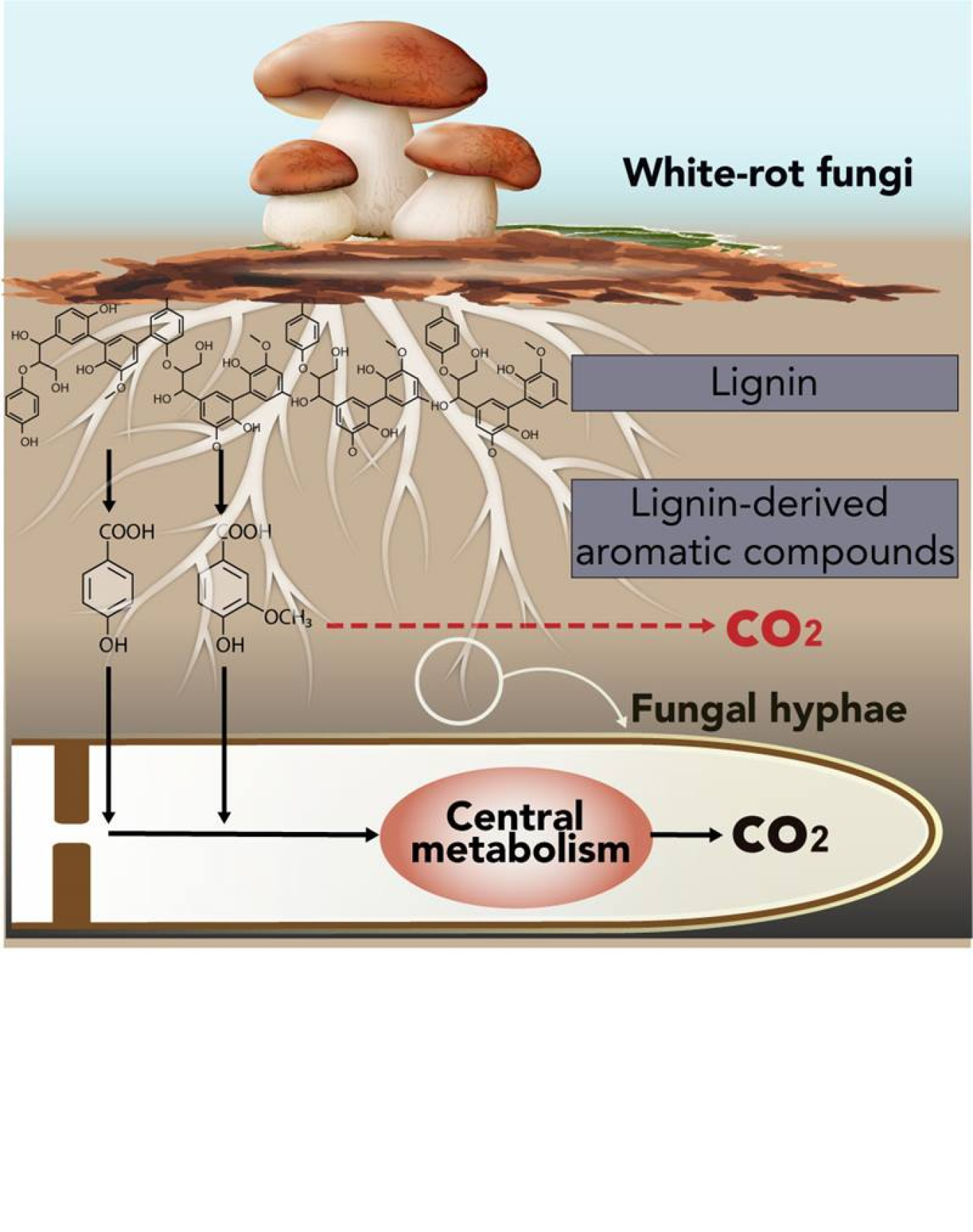
Saprobic on dead deciduous wood, less commonly on conifers. It causes a white rot, breaking down both cellulose and lignin. It is often found on fallen logs, branches, and stumps, particularly in damp, shaded areas of forests.
Key Facts
- Cap surfaces
- Hairy to finely tomentose, white to cream, sometimes zoned.
- Growth Form
- Effused-reflexed to resupinate, sometimes forming small brackets.
- Spore Print
- White
- Body color
- White to cream, sometimes with yellowish or pinkish tints on the hymenial surface.
- Odor
- Mild, indistinct.
- Flesh bruises
- Does not bruise significantly.
- Height
- Not applicable (sessile)
- Cap Diameter
- When reflexed, individual caps are typically 1-5 cm wide, projecting 1-3 cm.
Fruit body characteristics
- Gill attachment: Not applicable (hymenial surface is labyrinthine/merulioid folds, not true gills)
- Stem shape: Absent
- Stem surface: Absent
- Ring: Absent
- Stem cross-section: Absent
Explore White rot fungus
Identify mushrooms anywhere
Free on iOS, Android, and Web. Photo identification, full database, and your personal collection.