
Got a photo? Identify mushrooms instantly with the Mushby app
Open the appDescription
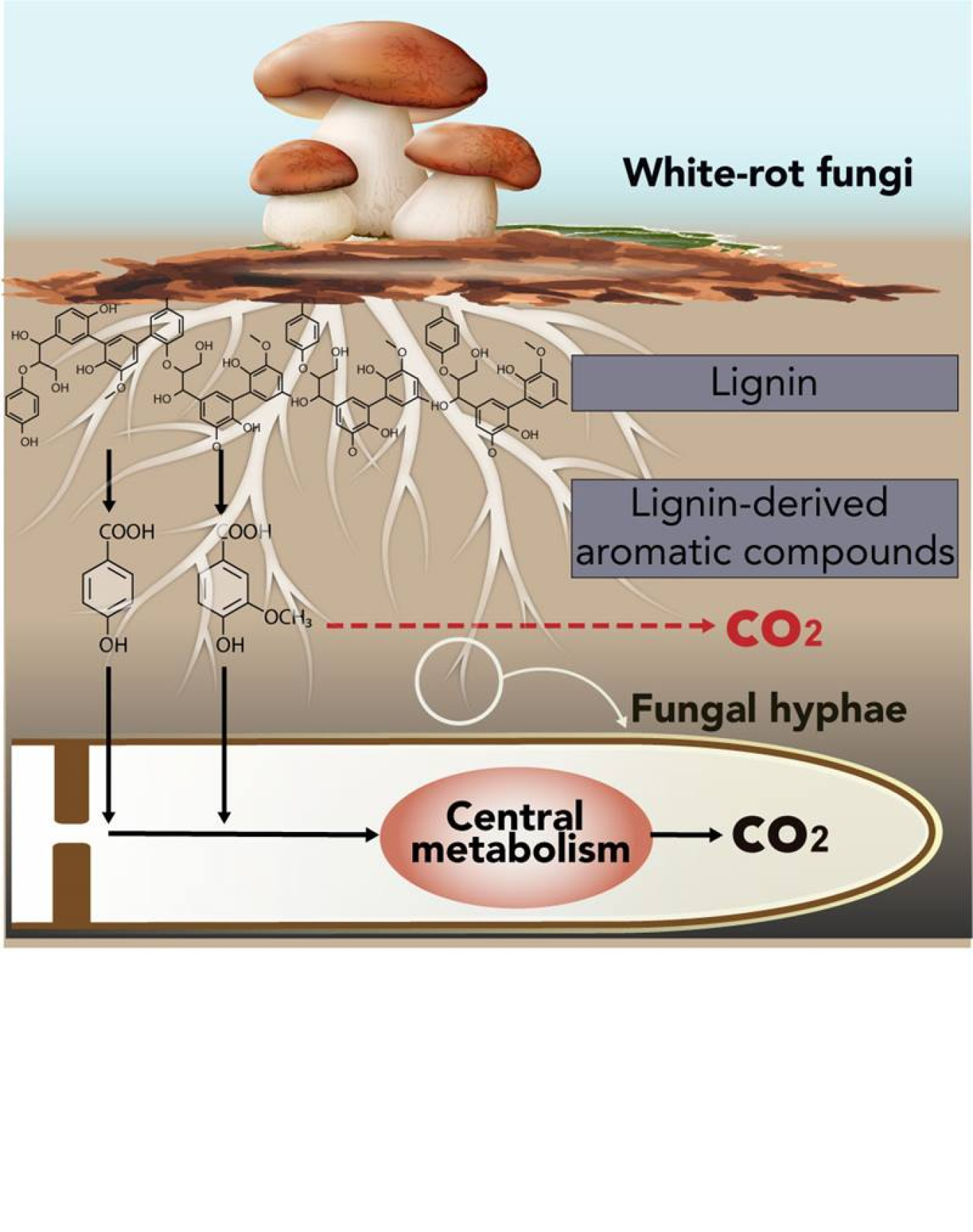
Phlebia tremellosa, commonly known as the Trembling Crust or White Rot Fungus, is a saprobic basidiomycete that plays a crucial role in the decomposition of dead wood. It is characterized by its fan-shaped to effused-reflexed fruiting bodies with a distinctive gilled or labyrinthine underside. The species is a significant white-rot decay fungus, breaking down lignin and cellulose in wood, contributing to nutrient cycling in forest ecosystems.
How to Identify
- Cap
- When present as a reflexed margin, the 'cap' is typically 1-5 cm wide and projects 1-3 cm from the substrate. It is fan-shaped to semicircular, thin, and leathery. The color ranges from white to cream, sometimes with pale ochre or brownish zones. The surface is finely hairy or velvety, especially when young, becoming smoother with age. The margin is often wavy or lobed.
- Gills
- The hymenial surface is not true gills but rather a system of intricate, labyrinthine, or gill-like folds (lamellae or merulioid folds). These folds are typically 1-3 mm deep, white to cream, sometimes with a pinkish or yellowish tint, and often radially arranged. They are soft and somewhat gelatinous when fresh, becoming more rigid upon drying.
- Stem
- Absent. The fruiting body is sessile, growing directly on the substrate.
- Flesh
- The flesh is thin, tough, and leathery, white to cream in color. It is not easily broken.
- Fruiting body
- The fruiting body is typically effused-reflexed to resupinate, meaning it grows flat against the substrate with a reflexed (turned-up) margin, or entirely flat. It can also form small, fan-shaped to semicircular brackets. The upper surface (when reflexed) is usually white to cream, often hairy or finely tomentose, and may have concentric zones. The underside (hymenial surface) is distinctive, featuring a network of gill-like folds or labyrinthine pores, which are white to cream, sometimes becoming yellowish or ochraceous with age. These folds are often radially arranged.
- Habitat
- Saprobic on dead deciduous wood, less commonly on conifers. It causes a white rot, breaking down both cellulose and lignin. It is often found on fallen logs, branches, and stumps, particularly in damp, shaded areas of forests.
Key Facts
- Cap surfaces: Hairy to finely tomentose, white to cream, sometimes zoned.
- Growth Form: Effused-reflexed to resupinate, sometimes forming small brackets.
- Spore Print: White
- Body color: White to cream, sometimes with yellowish or pinkish tints on the hymenial surface.
- Odor: Mild, indistinct.
- Flesh bruises: Does not bruise significantly.
- Height: Not applicable (sessile)
- Cap Diameter: When reflexed, individual caps are typically 1-5 cm wide, projecting 1-3 cm.
- Nutrient gathering: Saprobic (white rot)
Safe
SafePhlebia tremellosa is considered inedible due to its tough, leathery texture and lack of culinary value. There are no reports of toxicity, but it is not consumed.
Quick Check
- Odor: Mild, indistinct, or slightly fungal.
- Fruiting: Year-round, but most prominent in humid conditions from late spring to autumn.
- Substrate: Dead deciduous wood, rarely conifers.
Where to Find
Deciduous Forests
Commonly found in deciduous forests across temperate regions, growing on dead hardwood.
Mixed Forests
Can also be found in mixed forests, though less frequently on coniferous wood.
Woodlands and Parks
Present in any area with decaying wood, including urban parks and gardens with fallen trees.
Finding Tips
Look for Decaying Wood
Focus your search on fallen logs, branches, and stumps of deciduous trees. It prefers wood that is already somewhat decayed and moist.
Check Undersides of Logs
Often grows on the underside or shaded sides of logs, where moisture is retained.
Seasonal Observation
While it can be found year-round in suitable climates, it is most prominent during periods of high humidity, typically from late spring through autumn.
Similar Species
Gilled Polypore
fungus
Also known as: Irpex lacteus
Splitgill Mushroom
fungus
Also known as: Schizophyllum commune
Oyster Mushroom
fungus
Also known as: Pleurotus ostreatus
Scientific Classification
- Phylum
- Basidiomycota
- Class
- Agaricomycetes
- Order
- Polyporales
- Family
- Meruliaceae
- Genus
- Phlebia
Storage Information
- Max Temperature: Not applicable
- Freezing duration: Not applicable
- Min Temperature: Not applicable
- Refrigeration: Not applicable
How to Clean
Not applicable, as this species is not consumed. If handled for scientific study, specimens can be gently brushed to remove debris or air-dried for preservation.
Explore White rot fungus
Identify mushrooms anywhere
Free on iOS, Android, and Web. Photo identification, full database, and your personal collection.