
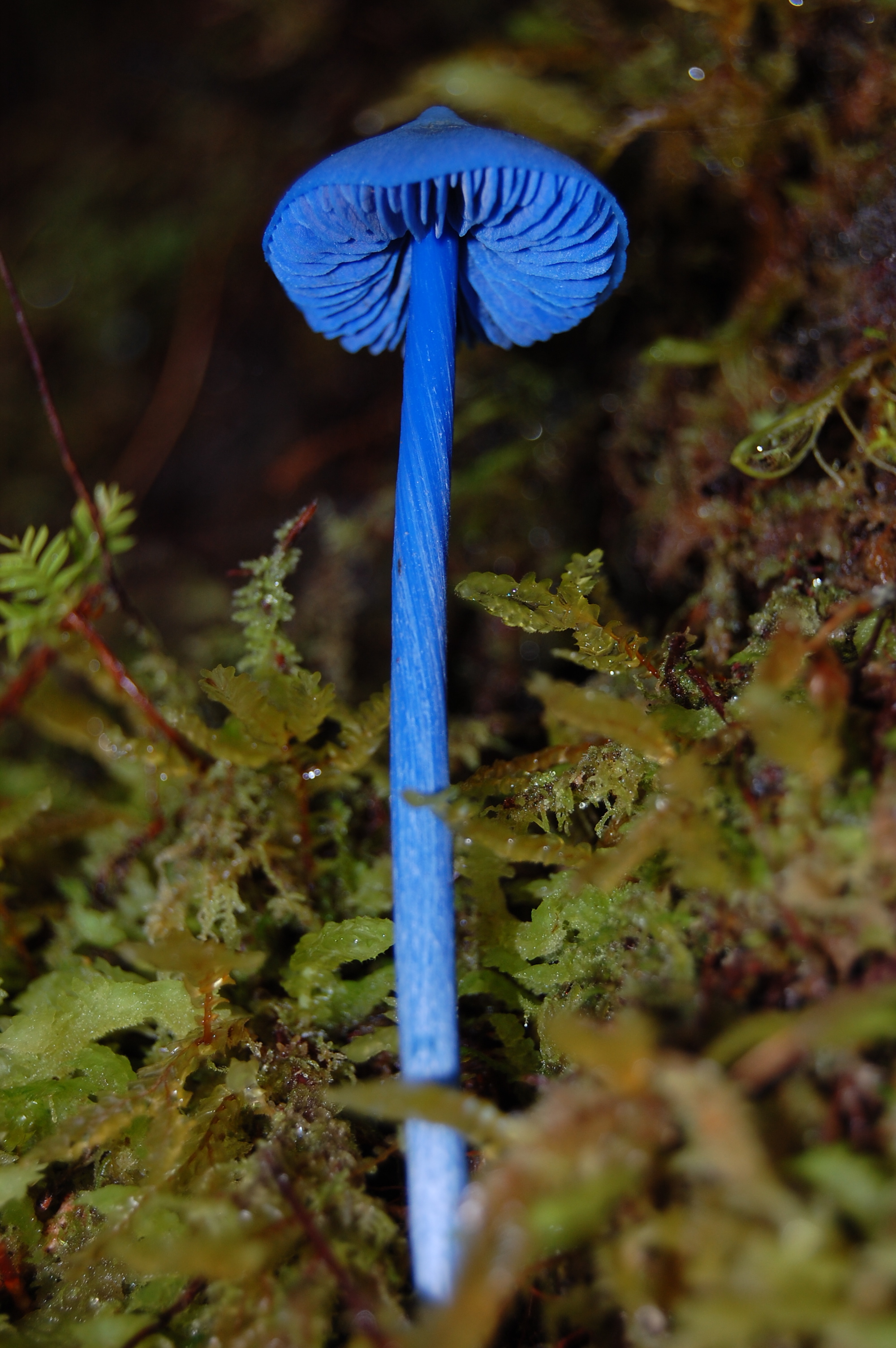
Where does Pinkgill grow?
Entoloma lividoalbum
Got a photo? Identify mushrooms instantly with the Mushby app
Open the appPinkgill grows in specific habitats. Knowing where to look and when is the difference between an empty basket and a successful forage.
Where to find Pinkgill
Deciduous and Mixed Woodlands
Commonly found in forests dominated by broadleaf trees, or areas with a mix of deciduous and coniferous trees, particularly on the forest floor among leaf litter.
Parks and Gardens
Can also be found in cultivated areas with mature trees, such as parks, gardens, and even lawns, especially if the soil is rich in organic matter.
Calcareous Soils
Shows a preference for alkaline or neutral soils, often associated with limestone or chalk bedrock.
Foraging tips
- Look for Pink Gills. The most distinctive feature is the pink spore print, which colors the mature gills. Young specimens may have white gills, making identification more challenging.
- Check Habitat. Focus on deciduous or mixed woodlands, especially areas with rich, calcareous soil. It typically grows solitarily or in small scattered groups.
- Observe Cap Color and Texture. Note the pale, often grayish-white to pale brown cap, which is usually smooth and dry, but can be slightly greasy when wet.
Quick Check
- Substrate:
- Terrestrial, on soil, often among grass or leaf litter in deciduous or mixed woodlands.
- Fruiting:
- Late summer to autumn (August to November in the Northern Hemisphere).
- Odor:
- Mild, sometimes slightly mealy or rancid.
Explore Pinkgill
Identify mushrooms anywhere
Free on iOS, Android, and Web. Photo identification, full database, and your personal collection.