
Got a photo? Identify mushrooms instantly with the Mushby app
Open the appDescription
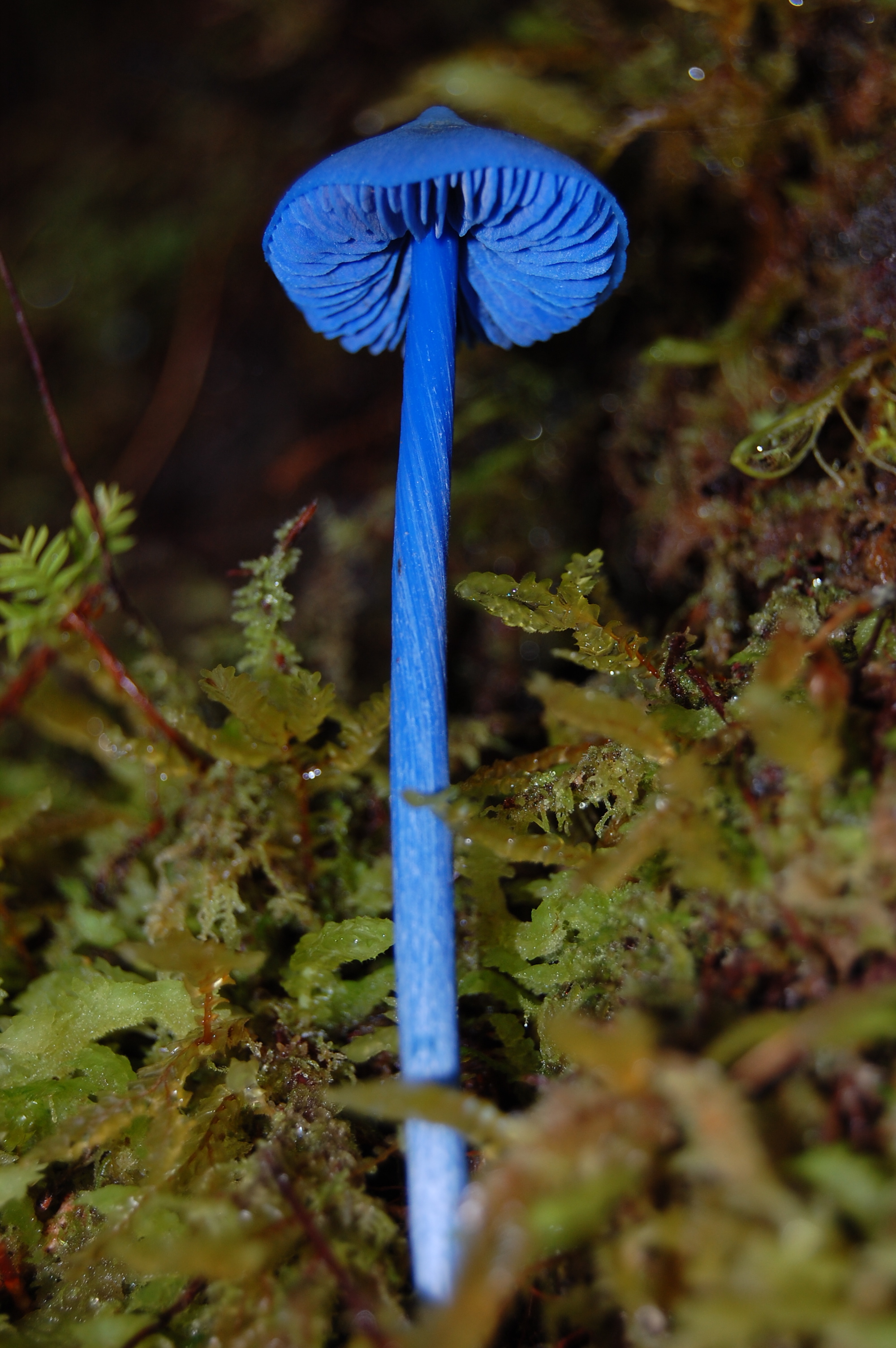
Entoloma lividoalbum, commonly known as the Pinkgill, is a species of mushroom in the family Entolomataceae. It is characterized by its pale, often whitish to grayish-brown cap, adnexed to sinuate gills that become pink with age due to the spore print, and a fibrous stem. This mushroom is generally considered inedible or of unknown edibility, and due to its resemblance to several poisonous Entoloma species, it should be avoided for consumption.
How to Identify
- Cap
- The cap of Entoloma lividoalbum typically ranges from 3 to 10 cm in diameter, initially convex, expanding to plano-convex or almost flat, often with a broad, shallow umbo. The margin is usually incurved when young, becoming wavy or lobed with age. The color varies from whitish to pale grayish-brown, sometimes with a yellowish or ochraceous tint, especially towards the center. The surface is smooth, dry, and often somewhat silky or fibrillose, becoming slightly greasy in wet weather. It does not bruise significantly.
- Gills
- The gills are adnexed to sinuate, sometimes almost free, and moderately crowded. They are initially whitish or pale cream, becoming distinctly pink to salmon-pink with age as the spores mature. This color change is a key characteristic of the genus Entoloma.
- Stem
- The stem is 4 to 10 cm long and 0.5 to 1.5 cm thick, cylindrical or slightly tapering towards the base, often with a somewhat swollen base. It is solid when young, becoming hollow with age. The color is whitish to pale grayish, often longitudinally fibrillose, and sometimes with a slightly pruinose (powdery) apex. There is no ring or volva.
- Flesh
- The flesh is white, firm in the cap, and fibrous in the stem. It has a mild, sometimes slightly mealy or rancid odor and taste, which is not distinctive enough for identification.
- Fruiting body
- The fruiting body is a typical agaric (gilled mushroom) with a cap, gills, and a central stem.
- Habitat
- Entoloma lividoalbum is a saprobic species, growing terrestrially on soil, often among grass or leaf litter, in deciduous or mixed woodlands, parks, and sometimes in open grassy areas. It prefers calcareous soils.
Key Facts
- Cap surfaces: Smooth, dry, silky or fibrillose, sometimes slightly greasy when wet.
- Growth Form: Solitary or scattered.
- Spore Print: Pink to salmon-pink.
- Body color: Cap: Whitish to pale grayish-brown; Gills: White becoming pink; Stem: Whitish to pale grayish.
- Odor: Mild, sometimes slightly mealy or rancid.
- Flesh bruises: Does not bruise significantly.
- Height: 4-10 cm
- Cap Diameter: 3-10 cm
- Nutrient gathering: Saprobic
Toxic
Severe ToxicityEntoloma lividoalbum is generally considered inedible or of unknown edibility. While not definitively proven to be highly toxic like some of its relatives (e.g., Entoloma sinuatum), it is prudent to treat all Entoloma species with caution due to the presence of several dangerously poisonous members within the genus. Consumption could lead to gastrointestinal upset, including nausea, vomiting, and diarrhea. Due to the risk of misidentification with highly toxic species, it is strongly advised against consumption.
Quick Check
- Odor: Mild, sometimes slightly mealy or rancid.
- Fruiting: Late summer to autumn (August to November in the Northern Hemisphere).
- Substrate: Terrestrial, on soil, often among grass or leaf litter in deciduous or mixed woodlands.
Where to Find
Deciduous and Mixed Woodlands
Commonly found in forests dominated by broadleaf trees, or areas with a mix of deciduous and coniferous trees, particularly on the forest floor among leaf litter.
Parks and Gardens
Can also be found in cultivated areas with mature trees, such as parks, gardens, and even lawns, especially if the soil is rich in organic matter.
Calcareous Soils
Shows a preference for alkaline or neutral soils, often associated with limestone or chalk bedrock.
Finding Tips
Look for Pink Gills
The most distinctive feature is the pink spore print, which colors the mature gills. Young specimens may have white gills, making identification more challenging.
Check Habitat
Focus on deciduous or mixed woodlands, especially areas with rich, calcareous soil. It typically grows solitarily or in small scattered groups.
Observe Cap Color and Texture
Note the pale, often grayish-white to pale brown cap, which is usually smooth and dry, but can be slightly greasy when wet.
Similar Species
Livid Entoloma
Entoloma
Also known as: Lead Poisoner, Livid Agaric
Plums and Custard
Entoloma
Also known as: Entoloma sinuatum
Clouded Agaric
Clitocybe
Also known as: Clitocybe nebularis
Scientific Classification
- Phylum
- Basidiomycota
- Class
- Agaricomycetes
- Order
- Agaricales
- Family
- Entolomataceae
- Genus
- Entoloma
Explore Pinkgill
Identify mushrooms anywhere
Free on iOS, Android, and Web. Photo identification, full database, and your personal collection.