
Got a photo? Identify mushrooms instantly with the Mushby app
Open the appDescription
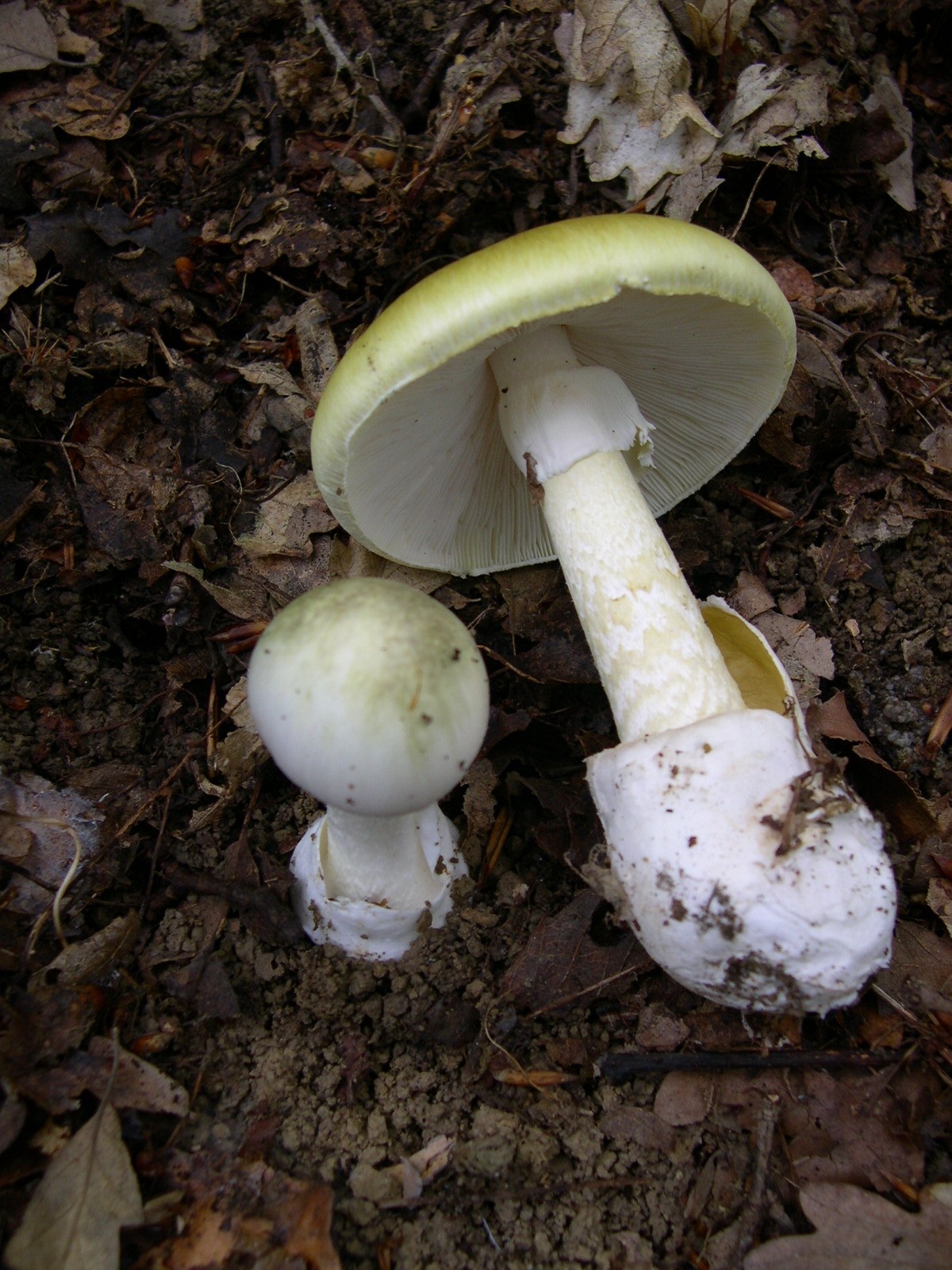
Amanita citrina, commonly known as the False Death Cap or Citron Amanita, is a basidiomycete fungus of the genus Amanita. It is often mistaken for the Death Cap (Amanita phalloides) and other edible species, so caution must be exercised when identifying it.
How to Identify
- Cap
- The cap is usually 5-10 cm in diameter, convex to flattened, and pale yellow to greenish-yellow in color. The surface is smooth and may be slightly sticky when moist. Remnants of the universal veil may be present as irregular patches on the cap.
- Gills
- The gills are free, crowded, and white to pale yellow.
- Stem
- The stem is 5-15 cm long and 1-2 cm thick, white to pale yellow, and has a bulbous base. A fragile ring may be present on the upper part of the stem. The volva at the base is sac-like and white.
- Flesh
- The flesh is white and does not change color when cut.
- Fruiting body
- The fruiting body of Amanita citrina is a mushroom with a cap, gills, and a stem. It typically appears in late summer and autumn.
- Habitat
- Amanita citrina is found in deciduous and coniferous woods, often near birch or oak trees. It is widely distributed in Europe and North America.
Key Facts
- Cap surfaces: Smooth, slightly sticky when moist
- Growth Form: Solitary or scattered
- Spore Print: White
- Body color: Pale yellow to greenish-yellow
- Odor: Raw potato or radish-like
- Flesh bruises: No color change
- Height: 5-15 cm
- Cap Diameter: 5-10 cm
- Nutrient gathering: Mycorrhizal
Toxic
Moderate ToxicityAmanita citrina contains toxins that can cause gastrointestinal upset. Although not as deadly as the Death Cap, it can still cause unpleasant symptoms if ingested.
Quick Check
- Odor: Raw potato or radish-like
- Fruiting: Late summer to autumn
- Substrate: Deciduous and coniferous woods
Where to Find
Europe
Widely distributed throughout Europe, particularly in deciduous and coniferous forests.
North America
Found in various regions of North America, often in wooded areas.
Finding Tips
Look in Mixed Woods
Search in areas with both deciduous and coniferous trees, especially near birch and oak.
Late Summer and Autumn
The best time to find Amanita citrina is during late summer and autumn.
Similar Species
Death Cap
Mushroom
Also known as: Amanita phalloides
Scientific Classification
- Phylum
- Basidiomycota
- Class
- Agaricomycetes
- Order
- Amanitales
- Family
- Amanitaceae
- Genus
- Amanita
Explore False Death Cap
Identify mushrooms anywhere
Free on iOS, Android, and Web. Photo identification, full database, and your personal collection.