
Got a photo? Identify mushrooms instantly with the Mushby app
Open the appDescription
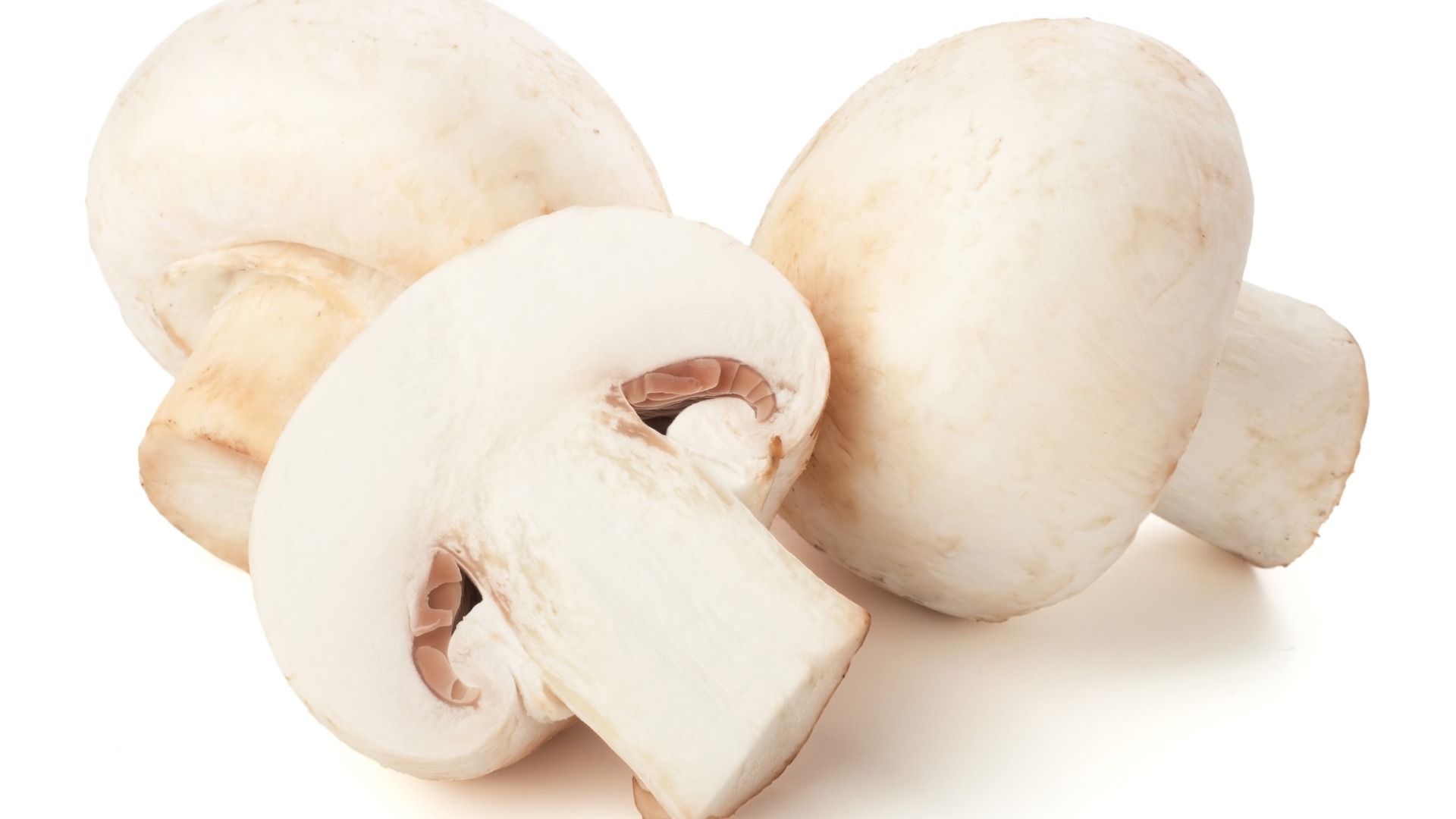
Agaricus is a genus of mushrooms containing both edible and poisonous species, with considerable variation in appearance. Identification can be challenging and requires careful examination of features such as cap color and texture, gill color and attachment, stem characteristics, and odor. Spore prints are typically chocolate brown.
How to Identify
- Cap
- The cap varies in color from white to brown, often with scales or fibers. The shape can range from convex to flat, sometimes with a central bump (umbo).
- Gills
- The gills are free from the stem and start pink, turning chocolate brown to black as the spores mature.
- Stem
- The stem is usually cylindrical and smooth, with a ring (annulus) that may be fragile or absent in some species.
- Flesh
- The flesh is typically white, but may bruise or stain when cut, depending on the species.
- Fruiting body
- The fruiting body is generally medium to large in size, with a fleshy texture.
- Habitat
- Agaricus species are found in a variety of habitats, including grasslands, woodlands, and urban areas.
Key Facts
- Cap surfaces: Smooth, scaly, or fibrillose
- Growth Form: Solitary, scattered, or in groups
- Spore Print: Chocolate brown
- Body color: White to brown
- Odor: Variable; some species have a pleasant almond or anise-like odor, while others have an unpleasant or chemical odor
- Flesh bruises: May or may not bruise, depending on the species
- Height: 5-15 cm
- Cap Diameter: 5-20 cm
- Nutrient gathering: Saprobic
Toxic
Moderate ToxicitySome species of Agaricus are poisonous and can cause gastrointestinal upset. It is crucial to correctly identify Agaricus species before consumption to avoid potential health risks.
Quick Check
- Odor: Variable, can be almond-like, anise-like, or unpleasant
- Fruiting: Late spring to autumn
- Substrate: Grasslands, woodlands, disturbed soil
Where to Find
Grasslands
Found in grassy areas, meadows, and disturbed soil.
Woodlands
Some species are found in wooded areas, often near conifers or hardwoods.
Urban Areas
Common in urban environments, such as parks and gardens.
Finding Tips
Gill Color
Look for mushrooms with pink or brown gills that turn chocolate brown as they mature.
Stem Ring
Check for a ring or annulus on the stem, a remnant of the partial veil.
Odor
Note the odor; some species have a distinct almond or anise-like smell, while others may have an unpleasant or chemical odor.
Similar Species
Amanita bisporigera
mushroom
Also known as: Destroying Angel
Amanita phalloides
mushroom
Also known as: Death Cap
Scientific Classification
- Phylum
- Basidiomycota
- Class
- Agaricomycetes
- Order
- Agaricales
- Family
- Agaricaceae
- Genus
- Agaricus
Explore Agaricus
Identify mushrooms anywhere
Free on iOS, Android, and Web. Photo identification, full database, and your personal collection.