
Got a photo? Identify mushrooms instantly with the Mushby app
Open the appDescription
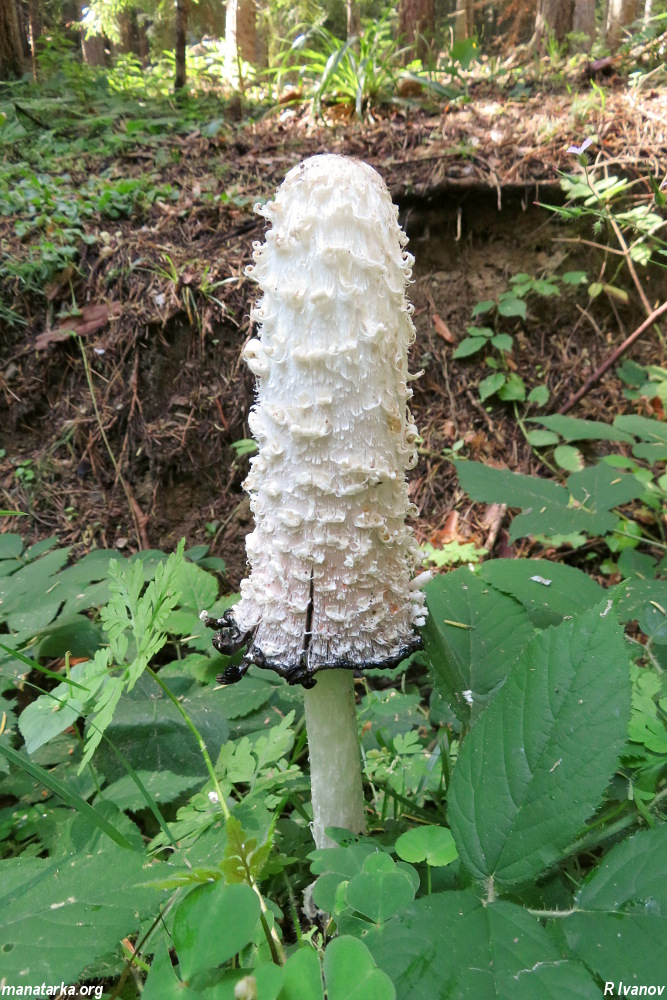
Oudemansiella mucida, commonly known as the Willow Shield or Porcelain Fungus, is a saprophytic fungus that grows on dead wood, especially that of willow trees. It is characterized by its slimy, white cap and gelatinous coating, which gives it a porcelain-like appearance. While not considered toxic, its edibility is debated, and it is generally not recommended for consumption due to its slimy texture and potential for confusion with other species.
How to Identify
- Cap
- The cap is typically 2-8 cm in diameter, convex to flattened, and pure white to cream-colored. It is covered in a thick, slimy, gelatinous layer, giving it a glossy, porcelain-like appearance.
- Gills
- The gills are adnate to decurrent, widely spaced, and white to cream-colored. They are often covered in a gelatinous substance, similar to the cap.
- Stem
- The stem is 3-7 cm long and 0.5-1.5 cm thick, white, and slimy below the ring zone. Above the ring zone, the stem is dry and may have a slightly velvety texture.
- Flesh
- The flesh is thin, white, and has a mild, nondescript odor.
- Fruiting body
- The fruiting body is generally small to medium-sized, with a distinctive slimy cap and a preference for growing on dead willow wood.
- Habitat
- Found on decaying wood, especially willow, in damp woodlands and forests.
Key Facts
- Cap surfaces: Slimy, gelatinous
- Growth Form: Clustered
- Spore Print: White
- Body color: White
- Odor: Mild, nondescript
- Flesh bruises: No bruising
- Height: 3-7 cm
- Cap Diameter: 2-8 cm
- Nutrient gathering: Saprophytic
Safe
SafeOudemansiella mucida is not considered toxic, but its edibility is debated. It is generally not recommended for consumption due to its slimy texture and potential for confusion with other species. Some individuals may experience gastrointestinal upset after consuming it.
Quick Check
- Odor: Mild
- Fruiting: Autumn
- Substrate: Dead willow wood
Where to Find
Decaying Wood
Grows on dead or decaying wood, particularly willow branches and trunks.
Woodlands and Forests
Prefers damp, shaded environments in woodlands and forests.
Finding Tips
Check Willow Trees
Look for clusters of white, slimy mushrooms on fallen willow branches or standing dead trees.
Focus on Damp Areas
Search in areas with high humidity and plenty of decaying organic matter.
Similar Species
Oyster Mushroom
Hypsizygus
Also known as: Oyster Mushroom
Scientific Classification
- Phylum
- Basidiomycota
- Class
- Agaricomycetes
- Order
- Agaricales
- Family
- Physalacriaceae
- Genus
- Oudemansiella
Storage Information
- Max Temperature: 4
- Freezing duration: 3
- Min Temperature: 2
- Refrigeration: 2
How to Clean
Cleaning Oudemansiella mucida involves gently wiping the cap with a damp cloth to remove any debris. Avoid soaking the mushroom, as it can become waterlogged due to its gelatinous coating. The stem can be trimmed if necessary.
Explore Willow Shield
Identify mushrooms anywhere
Free on iOS, Android, and Web. Photo identification, full database, and your personal collection.