
Got a photo? Identify mushrooms instantly with the Mushby app
Open the appDescription
Pinkgill mushrooms are a diverse group characterized by their pink gills at maturity. They are found worldwide in various habitats, mainly in grasslands and woodlands. Identification to the species level can be challenging and often requires microscopic examination.
How to Identify
- Cap
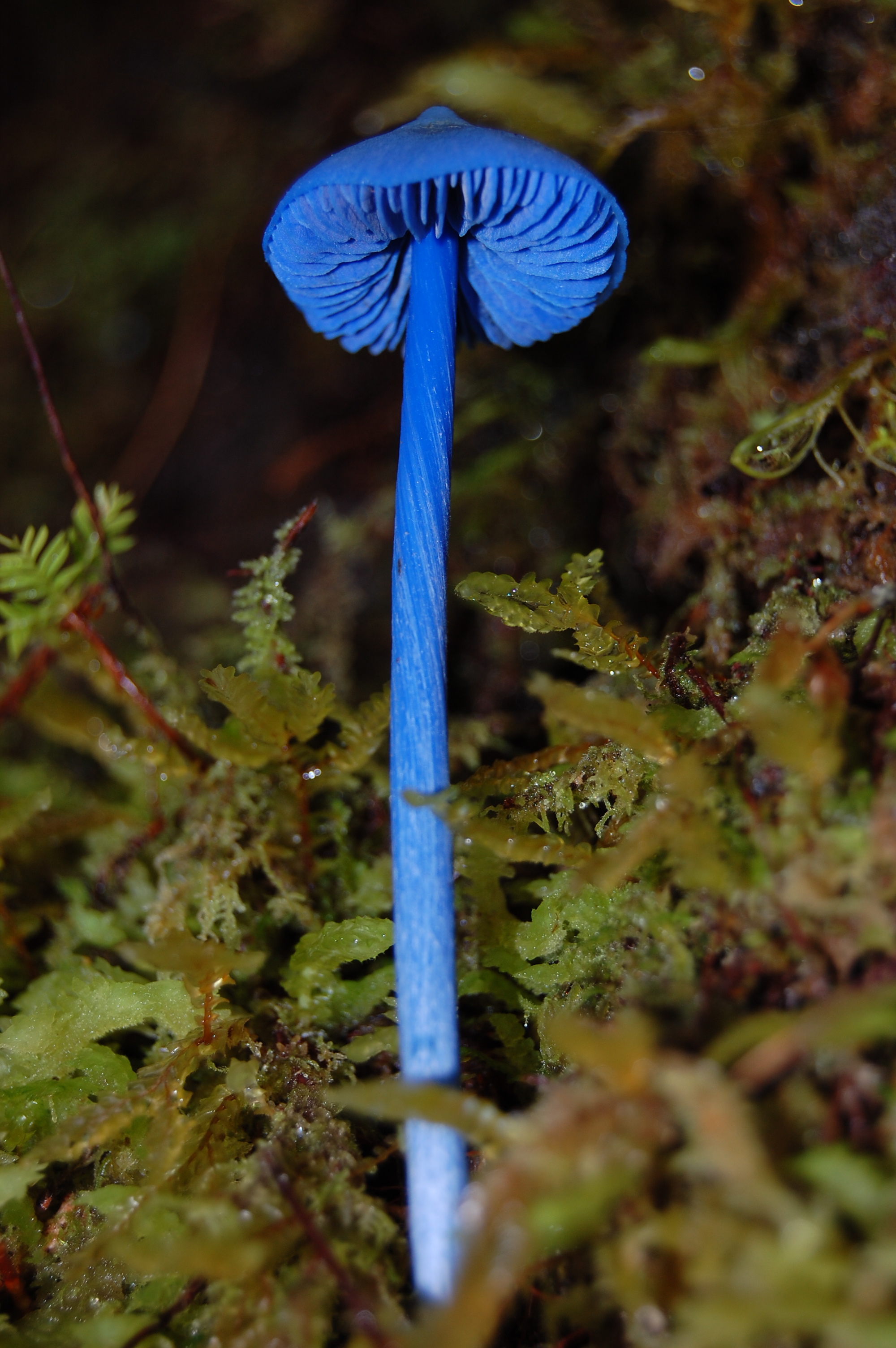
- The cap is typically convex to flattened, often with a central bump (umbo). The color varies from white to shades of brown, gray, or pink. The surface can be dry and smooth or slightly fibrillose.
- Gills
- The gills are pink at maturity, closely spaced, and adnate to decurrent. They may bruise slightly when damaged.
- Stem
- The stem is cylindrical, smooth to fibrillose, and white to pale pink. It lacks a ring or volva.
- Flesh
- The flesh is generally thin and white, sometimes bruising slightly when cut.
- Fruiting body
- The fruiting body is typically small to medium-sized, with a cap diameter ranging from 2 to 10 cm and a stem height of 3 to 8 cm.
- Habitat
- Found in grasslands, woodlands, and disturbed areas, often growing on soil or decaying wood.
Key Facts
- Cap surfaces: Dry, smooth to fibrillose
- Growth Form: Solitary to gregarious
- Spore Print: Pink
- Body color: White to pinkish
- Odor: Variable, often mild or fungal
- Flesh bruises: Slightly
- Height: 3-8 cm
- Cap Diameter: 2-10 cm
- Nutrient gathering: Saprotrophic
Toxic
Moderate ToxicitySome species within the Entoloma genus are known to be toxic, causing gastrointestinal upset. It is essential to accurately identify any pinkgill mushroom before consumption.
Quick Check
- Odor: Mild, fungal
- Fruiting: Late spring to autumn
- Substrate: Soil, decaying wood
Where to Find
Grassland Habitats
Grasslands, meadows, and pastures.
Woodland Habitats
Woodland edges and clearings.
Disturbed Ground
Disturbed soil areas.
Finding Tips
Check Gill Color
Look for mushrooms with pink gills that are free to slightly attached to the stem.
Inspect Cap
Examine the cap surface for dryness and texture.
Observe Habitat
Note the habitat where the mushroom is growing, as many species have specific ecological preferences.
Similar Species
Clitocybe
Agaricales
Also known as: False Pinkgill
Scientific Classification
- Phylum
- Basidiomycota
- Class
- Agaricomycetes
- Order
- Agaricales
- Family
- Entolomataceae
- Genus
- Entoloma
Explore Pinkgill
Identify mushrooms anywhere
Free on iOS, Android, and Web. Photo identification, full database, and your personal collection.