
Got a photo? Identify mushrooms instantly with the Mushby app
Open the appDescription
Conocybe filaris is a poisonous mushroom containing amatoxins and phallotoxins. It is often mistaken for edible mushrooms, leading to accidental poisonings. It is found in lawns and grassy areas in the Pacific Northwest and Europe.
How to Identify
- Cap
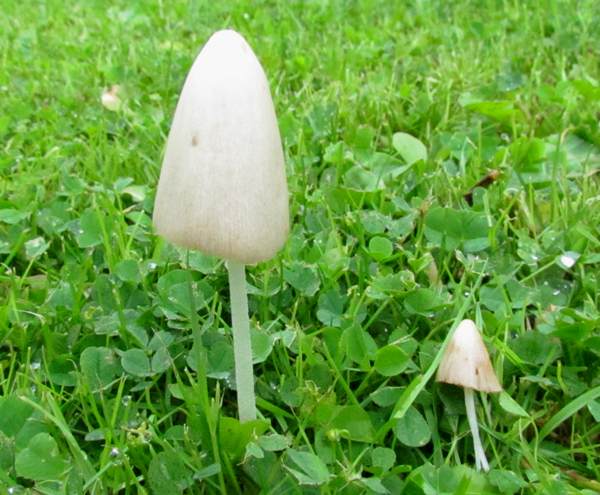
- Conical to bell-shaped, smooth, brown to tan, often with a pointed umbo.
- Gills
- Close, adnate to adnexed, pale brown, becoming rusty brown as spores mature.
- Stem
- Long, slender, hollow, smooth, and pale brown.
- Flesh
- Thin, fragile, and brownish.
- Fruiting body
- Small to medium-sized mushroom.
- Habitat
- Lawns, grassy areas, and disturbed soil.
Key Facts
- Cap surfaces: smooth
- Growth Form: solitary to scattered
- Spore Print: rusty brown
- Body color: brown
- Odor: faint, not distinctive
- Flesh bruises: no bruising
- Height: 3-7 cm
- Cap Diameter: 1-3 cm
- Nutrient gathering: saprotrophic
Toxic
DeadlyContains amatoxins and phallotoxins, which can cause liver damage and death.
Toxin Type: Amatoxins, PhallotoxinsReaction Type: Liver damage, gastrointestinal distress, death
Quick Check
- Odor: Faint or not distinctive
- Fruiting: Lawns and grassy areas
- Substrate: Grass, soil
Where to Find
Pacific Northwest
Lawns and grassy areas
Europe
Lawns and grassy areas
Finding Tips
Habitat
Look for small, brown mushrooms with a conical cap and a long, slender stem in grassy areas.
Caution
Be cautious when identifying small, brown mushrooms, as many poisonous species resemble edible ones.
Similar Species
Galerina marginata
mushroom
Also known as: deadly Galerina
Scientific Classification
- Phylum
- Basidiomycota
- Class
- Agaricomycetes
- Order
- Agaricales
- Family
- Bolbitiaceae
- Genus
- Conocybe
Explore Conocybe filaris
Identify mushrooms anywhere
Free on iOS, Android, and Web. Photo identification, full database, and your personal collection.